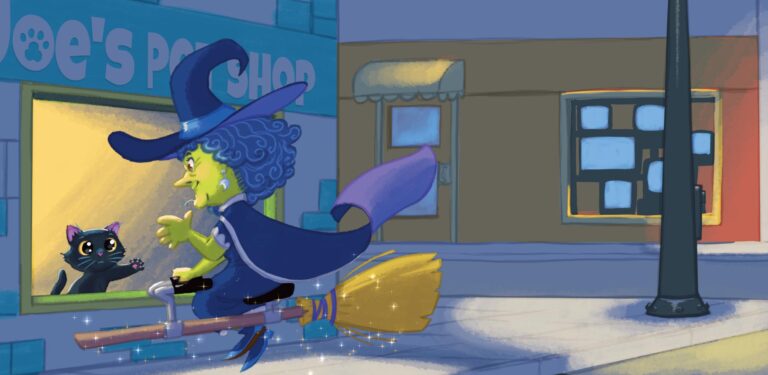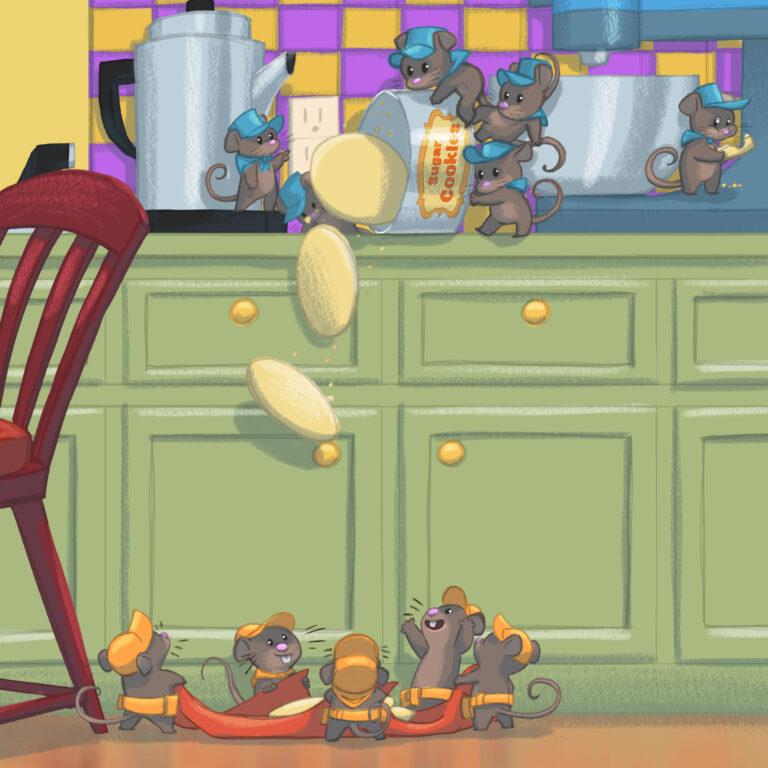
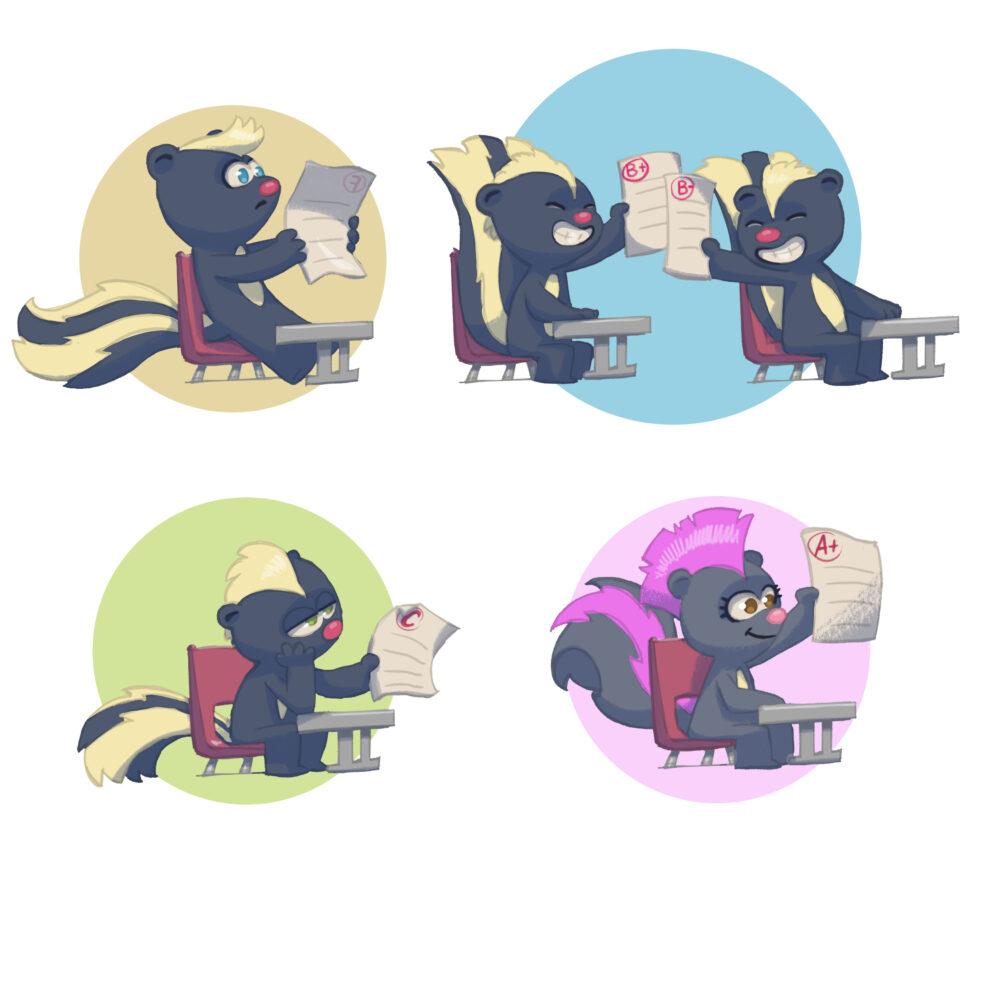
 Emotion is at the heart of every picture book, whether the story is playful, quiet, adventurous, or reflective. Illustration helps shape that emotional experience by giving visual form to feelings that may only be hinted at in the text.
Small visual decisions often carry emotional weight. Color choices, lighting, and composition can gently shift how a scene feels – calm or tense, joyful or uncertain, sad or scary. These cues help young readers sense the emotional tone of the story, even before they fully understand the words being read aloud.
Illustration also allows space for subtlety. A moment of hesitation, a shared glance, or a quiet pause can live entirely in the artwork, giving the story room to breathe. These moments invite children to notice, wonder, and interpret, making the reading experience more interactive.
By supporting story and emotion together, illustration helps create books that feel layered and memorable. The result is a story that resonates not just through words, but through feeling.