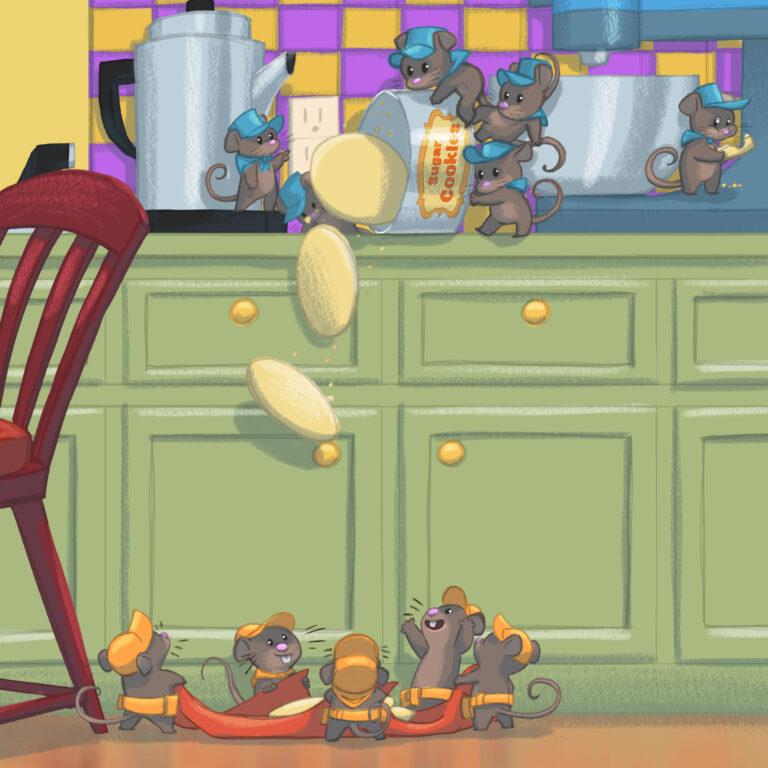
In a children’s picture book, illustration is part of the storytelling, not an addition to it. Images help shape how a story is understood and felt, especially for young readers who experience books visually before they can fully read the text. Illustration guides attention, sets mood, and invites children into the world of the story from the very first page.
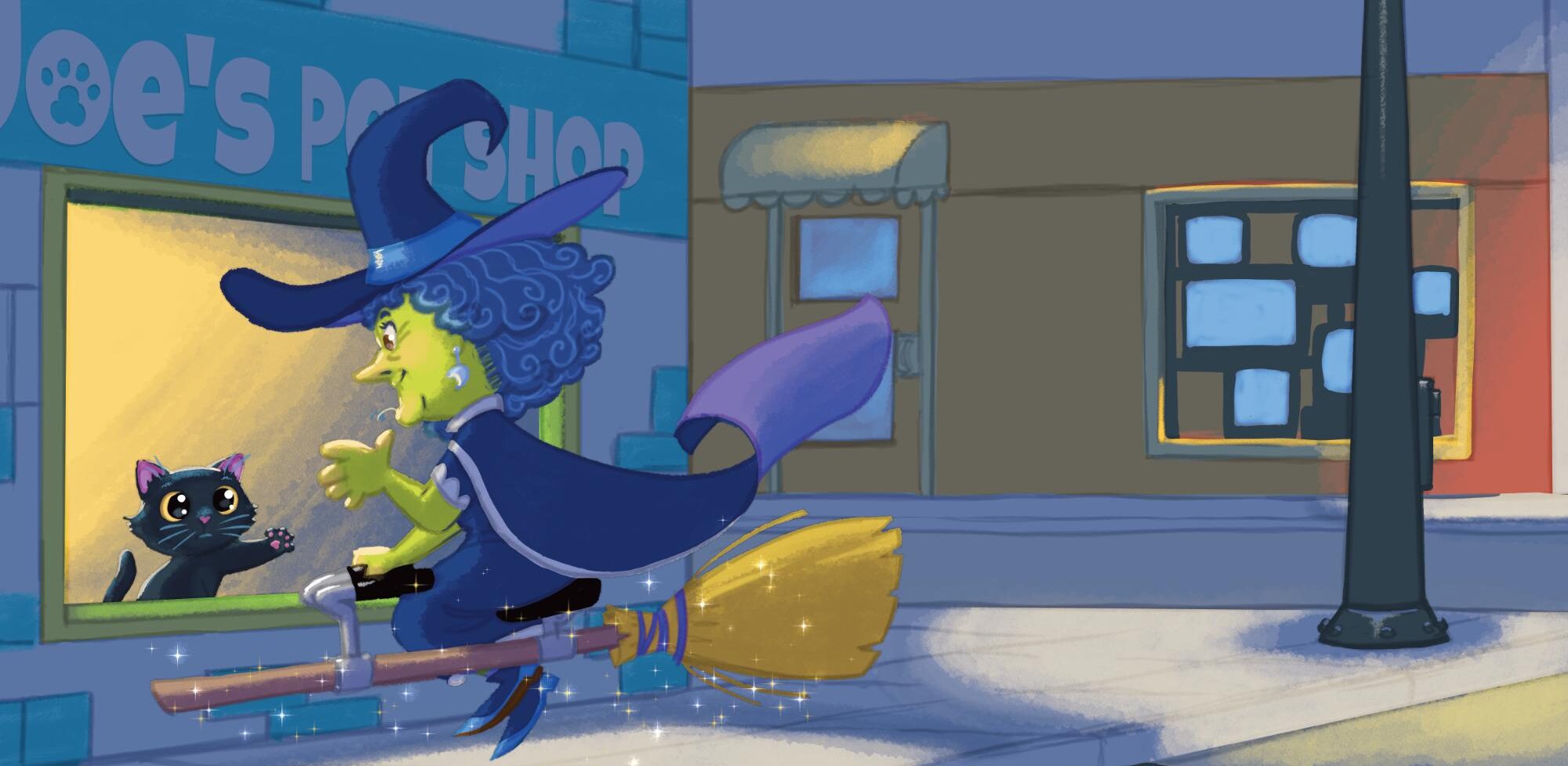
Strong picture book illustration often communicates what words leave unsaid. A character’s expression, posture, or movement can reveal emotion instantly – joy, worry, curiosity, frustration. These visual cues help children connect with the characters and follow the emotional arc of the story, building understanding and empathy along the way.
Illustration also plays a quiet but important role in pacing. The way scenes are composed, the amount of space on a page, and the rhythm created by page turns all influence how a story unfolds. Calm moments slow the reader down, while energetic spreads signal excitement or change, helping the story flow naturally from beginning to end.
At its best, picture book illustration supports storytelling by creating clarity, emotion, and atmosphere. It helps guide young readers through the story, making the experience engaging, accessible, and memorable. When illustration and text work together thoughtfully, the result is a book children want to return to, discovering something new each time they open it.