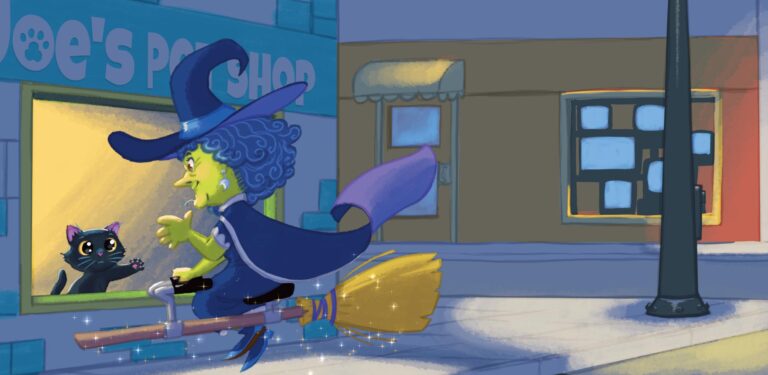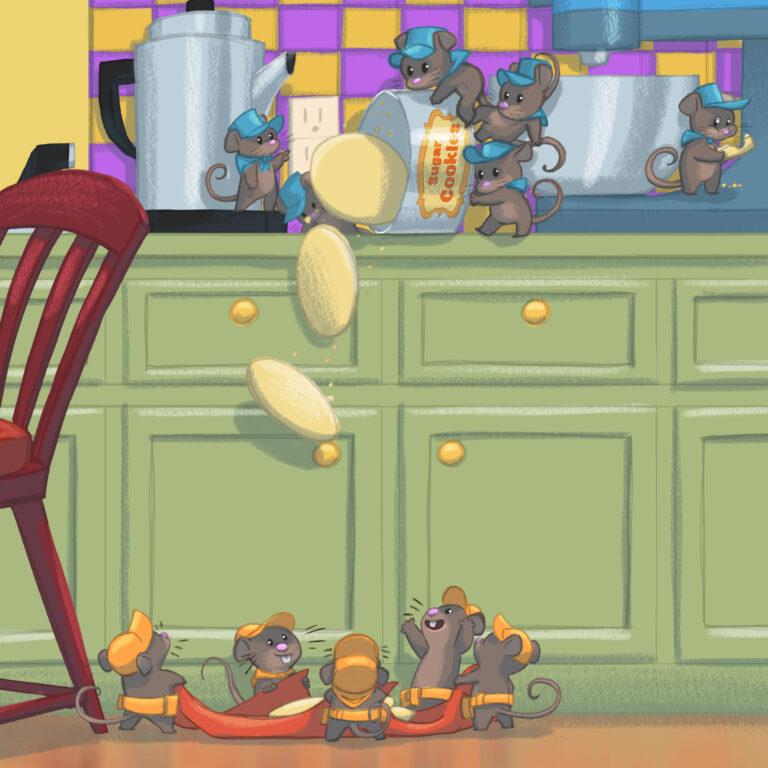
 In picture books, characters are often the first way a child enters a story. Before they understand the plot or the words, they respond to faces, gestures, and movement. Expressive characters help young readers connect quickly and intuitively, making the story feel approachable from the very first page.
Expression goes beyond facial features alone. Body language, posture, and scale all play a role in communicating how a character feels in a given moment. A slight lean, a turned shoulder, or an exaggerated pose can say more than text ever could, especially for readers who rely heavily on visual cues.
Consistency is just as important as expression. When a character’s emotional range feels believable from page to page, the story flows more naturally. Children begin to recognize and anticipate how that character reacts, which deepens engagement and trust in the story world.
When characters feel emotionally clear and visually alive, they become guides through the story. Their expressions help carry meaning, support comprehension, and invite young readers to stay connected from beginning to end.